Commercial
How Commercial Real Estate Deals Get Done in Metro Detroit
• • 7 min read
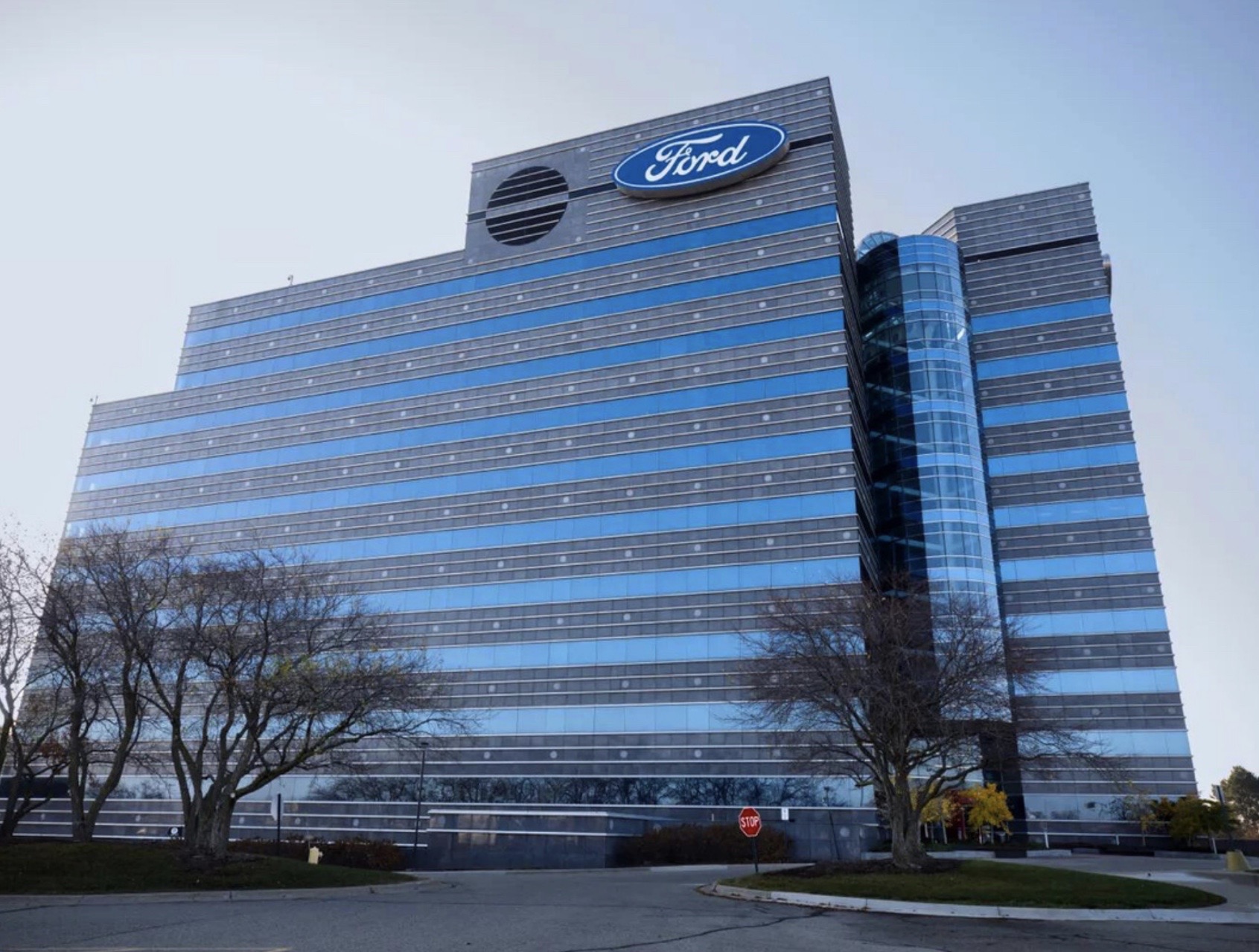
Most great commercial property trades quietly. Inside the off-market playbook, from a team with 300+ closings.
Most commercial property in Metro Detroit never gets a glossy listing. The gas station on the hard corner, the strip center with the long-term tenants, the medical office near the hospital — when these change hands, it's usually because the right buyer and the right seller were connected by someone both sides trusted.
Our team has closed more than 300 commercial transactions across Metro Detroit — office buildings, retail centers, industrial space, and land — including landmark sales like the Ford Motor Company Building. That volume teaches you how this market actually works. Here's what serious buyers and sellers should know in 2026.
Owners of good commercial property rarely want a for-sale sign. A visible listing can unsettle tenants, invite lowball offers, and tip off competitors. So the strongest assets trade through relationships: a broker who knows the owner calls a buyer they've closed with before, terms get sketched over coffee, and the market finds out after the deed records.
For buyers, this means the inventory you see online is a fraction of what's genuinely available. For sellers, it means the highest number often comes from a quiet, qualified approach — not from maximum exposure.
The number you get depends on preparation more than timing. Before anything goes to market — quietly or publicly — we help owners assemble the package buyers actually underwrite: rent rolls and lease abstracts, operating expenses, environmental history, and a defensible price built from cap rates on real closed comparables, not asking prices. Then we match the strategy to the asset: some properties are worth broad exposure; many are worth three phone calls to the right buyers.
One more thing owners underestimate: taxes on exit. A properly structured 1031 exchange can defer capital gains entirely — but the clock and the rules are unforgiving. We flag this before listing, not after closing.
Financing is the fight in 2026. Rates demand that deals pencil honestly — which is healthy. The buyers who win: know their numbers cold (NOI, real expenses, realistic vacancy — not the seller's pro forma), have lender relationships beyond the first "no" (community banks and credit unions across Metro Detroit are lending on solid deals), move decisively when the quiet call comes, and inspect like professionals — environmental history matters in a region with industrial bones.
Many of our commercial clients started as residential clients — we sold their home, then their business's building, then the investment property after that. Knowing a client's whole picture across 300+ commercial closings and $700M in total sales is exactly why the quiet calls come to us first.
Whether you own a building you're ready to sell, a business tired of paying rent, or capital looking for its first commercial asset in Metro Detroit — start the conversation. It's confidential, and it costs nothing.
What's a cap rate and why does it matter? It's the property's annual net operating income divided by its price — the market's yardstick for value. Metro Detroit cap rates vary widely by asset type and corridor; we price from closed deals, not listings.
How long does a commercial sale take? Quiet off-market deals can close in 60–90 days. Marketed properties with financing, environmental review, and due diligence commonly run 4–6 months.
Do I need a commercial-specific agent? Yes. Leases, environmental liability, zoning, and financing structures have no residential equivalent. Experience is the product.
Can you help me buy the building my business rents? Often, yes — sometimes from your current landlord, quietly. It's one of the most common deals we do.
The Ali T. Charara Team — Century 21 Curran & Oberski, 25636 Ford Rd, Dearborn Heights, MI 48127. 300+ commercial closings across Metro Detroit. Call (313) 289-2222.